We’re Looking For Our New Head of People!

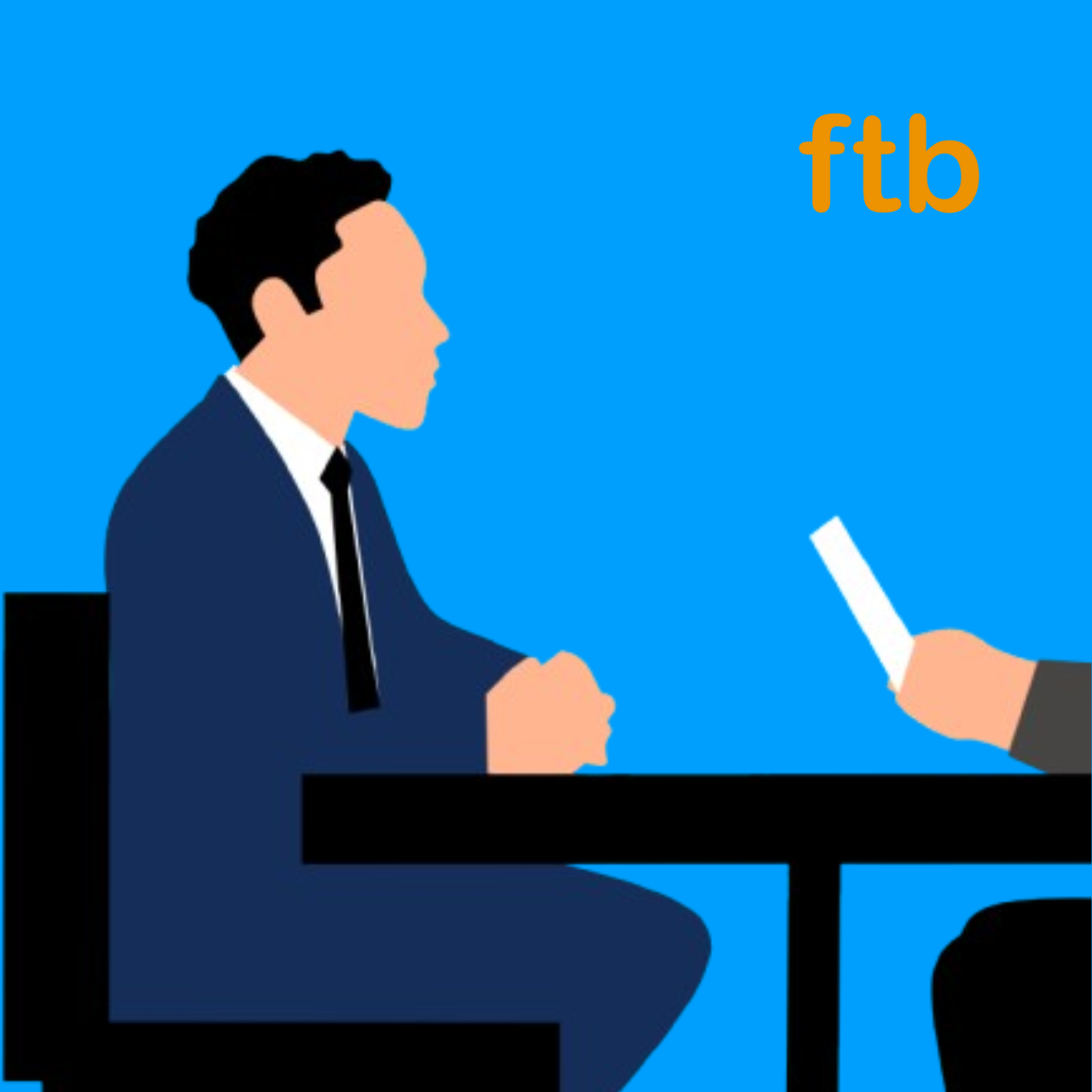
In the next part of our internship blog series, freetobook co-Director Iain discusses the dreaded interview stage. So, how do you make interviews easier, less stressful, and more successful?
“Congratulations, you’ve landed your first job interview!
After the initial euphoria, nerves may start creeping in. So how can you best prepare for that tricky first interview?

I haven’t sat an interview for 25 years, but I can remember them vividly. They’re the sort of surreal situations that cause stress, often on both sides of the table. I’ve interviewed a lot of people (hundreds), and I always get stressed doing it! That gives you an idea of how difficult interviews are for everyone.
For a start, understand what information the interviewer is trying to get and prepare yourself.
Find out the following beforehand:
Can’t find out online? Message your contact with any questions. This shows you care and helps you stand out.
Know the key points you need to land – your experience/skills that are most relevant to the role and need to be evidenced. As an interviewer, I go into it wanting to find the right answers from the right person. What makes it difficult for me is when the person sitting opposite doesn’t give a good account of themselves and what I’m looking for.
The most common interview type is competency-based. This uses your past skills, behaviours, and competencies to indicate your future performance.
You can get a clue about what competencies interviews will cover from the job ad. They’re quite generic to most roles: think teamwork, problem-solving, collaboration, adaptability, communication, etc. Try to have examples for each, peppering in keywords from the job ad.
You might say, “I’ve worked in teams before, so that won’t be an issue”.
WRONG.
You need to demonstrate this with real, detailed examples. This is where preparation pays off. You can use the STAR method here to explain a Situation, Task, Action, Result – and what you did in each. Use the word “I” liberally; it’s nothing to be ashamed of.
Try to answer this standard question:
“Give me an example where you worked with a team to achieve a goal.”
You might say something like:
“At uni, we worked on a team project with client X to develop X service. The client wasn’t that clear with their requirements, but we managed to get a final product out they were happy with, and we got a good grade.”
Unfortunately, this type of answer doesn’t cut it. For all I know, you skipped the group meetings, didn’t contribute, and produced rubbish work.
How did you contribute to the project’s success?
Let’s try again.
“In 2nd year, I was part of a team project working directly with a real client. After our initial team meeting planning out the project, I took on the role of client liaison because I was interested in the company. At first, our team was a bit disorganised, so we set up a WhatsApp group chat and arranged a weekly catchup meeting.
My role with the client worked well and I shared updates with the team immediately to keep them on board. This built my client liaison and communication skills. I completed my tasks relatively quickly, so I offered to help another team member who had a lot on their plate. We worked together over the weekend to get things done to the deadline. The team worked well together, gaining an A grade. The experience opened my eyes to using people’s different strengths in alignment.”
Why is this answer better? Because it’s about YOU and YOUR actions…What you did, what you said, and why. This candidate can clearly make suggestions, communicate, prioritise, and work with others to a deadline.
Of course, projects don’t always go to plan. But that’s all part of your story and how you deal with it.
When interviewing, I’m not allowed to assume anything; you have to say or clearly demonstrate it. That’s why I’ll ask open questions to see where you take it.
Try to explain why you did something, even if it sounds obvious. Think about this when you’re practicing your competency examples. The best interviews are when I get to understand what makes someone tick. This goes to the root of why a person behaves in a certain way.
This level of introspection can be uncomfortable, I get it. But it helps you (and the interviewer) picture you in the role.
That’s the prep side, so what about the big day? Nerves are normal, but hopefully you’ll feel more confident and prepared. Remember to breathe, smile, and take your time answering. If you’re unsure about anything, ask for clarification or a minute to think about your answer.
Always ask questions at the end about what’s important to you. E.g. What projects you’ll be working on, if there’s an induction programme, what the team culture’s like. Jot down anything you find interesting during the interview and follow up with questions at the end.
Remember: if you’ve made it this far, interviewers want to meet and learn about you. Even if you don’t get this job, an interview is great practice for next time. Good luck!”
Scan the QR code to download the app